
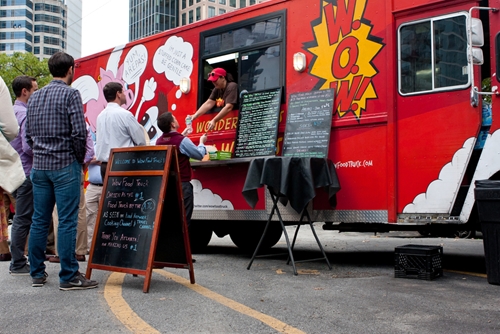
Mobile businesses such as food trucks are very popular right now. In fact, there are over 3 million food trucks in America, and their total revenue was about $630 million in 2011, according to Foodbeast. This number has only continued to climb since then, and many of the food-truck owners surveyed have opened brick-and-mortar locations to pair with their mobile options. If you are a mobile business owner interested in transitioning, there are a few things you need to know first.
Know your clientele
Many food truck see the same customers on a daily basis.These loyal patrons make up the majority of your revenue, but you need to ask yourself if their business would follow you to a storefront location. Many people buy from food trucks because they are a fast, convenient option. Customers may or may not have time to enter a restaurant and have a sit-down meal on a regular basis. Before you decide to make the transition, speak with your customers and gauge their honest options about whether or not they would continue to buy from you if you opened a brick-and-mortar store.
"Consider things like property tax, location permits, and building expenses and rent."
Understand the difference in cost of operations
Operating a food truck is not a cheap endeavor, but it is sometimes still more affordable for business owners than a storefront location. When you make the switch, you need to consider things like property tax, location permits, building expenses, rent and an increase in the number of employees you will need to pay. If you find yourself overwhelmed by the prospect of keeping track of all of these things, you should consider employing a business process management solution. These platforms will allow you to track your resources carefully to avoid getting in over your head.
Decide if you want to keep the mobile aspect
Last but not least, determine if you want to keep your food truck as an extension of your new brick-and-mortar location. For some new restaurant owners, the cost and demand of running both a storefront location and a mobile aspect are too great. Think carefully about your resources before deciding to keep your food truck. Remember that you can always purchase another one down the line if your business does well.
Owning a mobile business is an amazing venture, but some leaders may want to take their operations to the next level. If you are one of these individuals, be sure to take note of the advice above to make your transition as smooth as possible. You should also consider using a BPM platform to assist you through the finer, more complex aspects of moving from a food truck to a storefront restaurant. For more business tips and tricks, visit Appwright's website today.
Click the image below to learn how AppWright has helped other business owners achieve their goals.